The digital workplace is a virtual extension of the physical office, designed to empower employees with technology that enables seamless collaboration, communication, and productivity from any location. It is not merely a collection of tools, but an integrated ecosystem that redefines how work gets done in a hyperconnected, global environment.
Evolution from Traditional to Digital Workspaces
The traditional office, confined by physical space and rigid schedules, is gradually being replaced by fluid, digitized environments. With the proliferation of mobile technologies, cloud infrastructure, and remote capabilities, organizations are transforming cubicles into connected experiences. This evolution reflects a fundamental shift in workforce expectations and enterprise agility.
Core Pillars of a Digital Workplace
A successful digital workplace rests on several foundational elements:
- Technology Infrastructure: Scalable, secure, and cloud-first platforms.
- Employee Empowerment: Tools that enable autonomy and collaboration.
- Culture & Change Management: A mindset that embraces innovation and continuous learning.
Digital Workplace vs. Digital Workspace: Understanding the Nuance
While often used interchangeably, the digital workplace refers to the holistic environment—including culture, processes, and technology—whereas the digital workspace focuses specifically on the user interface and tools that individuals interact with daily. One is strategic; the other is operational.
Technologies Powering the Digital Workplace
Cloud Computing
Cloud services enable scalable storage, computing power, and seamless access to applications across geographies.
Collaboration Tools
Platforms like Microsoft Teams, Slack, and Zoom foster real-time communication and shared workflows, breaking down silos.
Unified Communication Systems
Integrating messaging, voice, video, and conferencing into a single platform optimizes business continuity.
Mobile Device Management (MDM)
MDM solutions ensure that company data remains secure on employee-owned devices without compromising usability.
The Role of AI and Automation
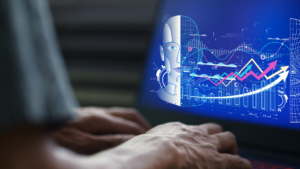
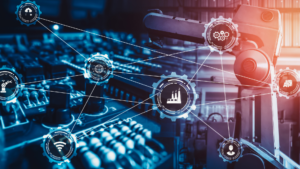
Artificial intelligence infuses intelligence into routine processes. From virtual assistants to predictive analytics, AI simplifies decision-making, automates repetitive tasks, and enhances customer experiences. Robotic Process Automation (RPA) further accelerates efficiency by handling high-volume transactions and data entry.
Enhancing Employee Experience through Digitization
A digital workplace empowers employees with flexibility, real-time information, and personalized tools, fostering engagement. Intuitive interfaces, self-service portals, and AI-powered support systems reduce friction and enable individuals to focus on meaningful work.
Security Challenges in a Digital Workplace
With expanded digital surfaces come heightened risks. Cybersecurity in the digital workplace must encompass multi-factor authentication, zero-trust architecture, endpoint protection, and proactive threat monitoring to safeguard both users and data.
Building a Culture of Digital Dexterity
Digital dexterity is the capacity to adapt to evolving technologies with agility and confidence. Organizations must invest in continuous learning, digital literacy, and cross-functional collaboration to build a workforce ready for tomorrow.
Personalization in the Digital Workplace
Personalized dashboards, role-based access, and adaptive learning platforms tailor the digital environment to individual preferences and roles. This leads to improved satisfaction, productivity, and loyalty.
Importance of Data Analytics and Insights
The digital workplace generates vast volumes of data. Leveraging analytics provides insights into user behaviour, performance bottlenecks, and emerging trends. Data-driven decisions foster innovation and operational excellence.
Remote Work Enablement and Flexibility
The digital workplace has untethered work from location. Virtual desktops, secure VPNs, and collaborative ecosystems ensure employees remain productive from home, co-working spaces, or anywhere across the globe.
Role of HR in the Digital Transition
Human Resources must spearhead the digital workplace transformation by aligning employee needs with technology initiatives, facilitating training, and managing the human side of change.
Change Management Strategies for Digital Transformation
Successful adoption hinges on robust change management. This includes stakeholder alignment, clear communication, phased rollouts, and feedback loops to refine and enhance digital strategies.
Impact on Organizational Productivity
Digital workplaces streamline communication, eliminate redundancies, and speed up decision-making. This leads to a measurable uptick in productivity, innovation, and time-to-market.
Sustainability and the Digital Workplace
Reduced commuting, paperless operations, and energy-efficient cloud systems make the digital workplace a sustainable alternative, contributing to broader environmental goals.
Digital Workplace for Frontline and Field Workers
A comprehensive digital strategy must include non-desk employees. Mobile-first applications, wearable tech, and real-time connectivity bridge the digital divide for those in warehouses, retail, or field service roles.
Metrics to Measure Digital Workplace Success
Key performance indicators include:
- Employee Net Promoter Score (eNPS)
- System uptime and availability
- Reduction in support tickets
- Collaboration efficiency metrics
Future Trends Shaping the Digital Workplace
Expect to see continued convergence of technologies—metaverse workplaces, decentralized work models (Web3), and ambient computing environments—redefining how people engage with work itself.AI
Conclusion: The New Normal of Work
The digital workplace is no longer a vision of the future—it is the operational reality. As businesses embrace this shift, success will be measured by their ability to balance technology, human experience, and organizational resilience. It’s not just about working differently—it’s about working smarter.