A Digital Lighthouse in a Traditional Harbor
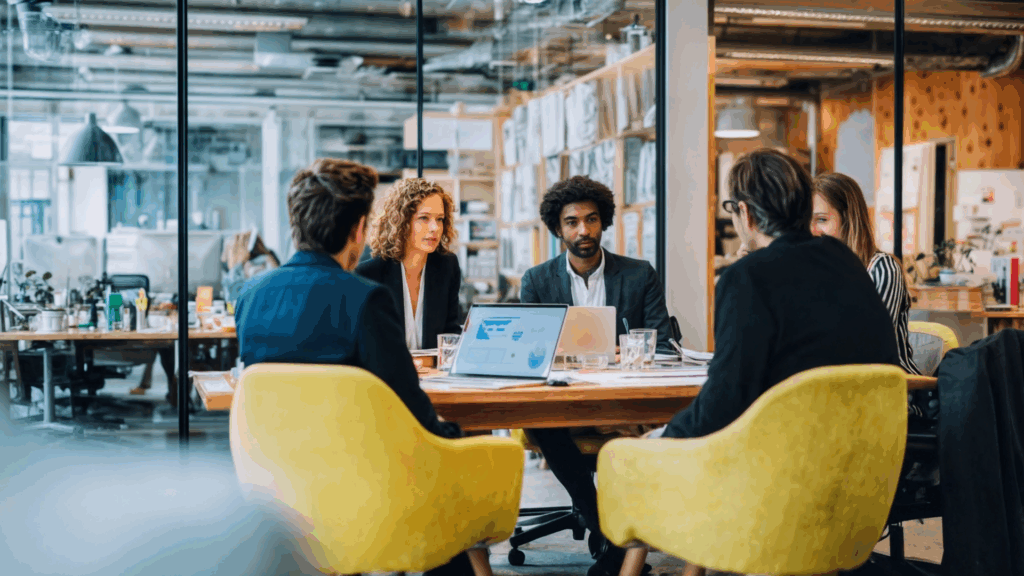
In a world drifting toward remote ubiquity, NTT’s Singapore office emerged as a beacon—transforming from a cluster of ten regional sites into a singular, smartly interconnected headquarters. Just as a lighthouse consolidates scattered beacons into one guiding light, this consolidation heralded a new era of hybrid collaboration.
Architecting the Foundations of Tomorrow
NTT partnered with Cisco to weave intelligence—sensors, cloud-managed networks, and automation—into the very fabric of workplace architecture. The result? An environment that senses, adapts, and responds—intuitively guiding employees toward meeting spaces, reconfiguring rooms based on usage, and delivering seamless connectivity anywhere, anytime. The digital nervous system within the office ensures that employees, like neurons, remain perpetually engaged and empowered.
Sustainability as a Pulse
This was not merely digital innovation—it was ecological foresight. By removing 90% of legacy on-prem infrastructure, the office slashed hosting costs by over 30% and reduced energy consumption by approximately 1 million kWh annually. The transformation echoed the principles of biomimicry, optimizing resource use to mimic the efficiency of natural ecosystems.
Hybridity Reimagined: Work That Moves With You
The office transcended bricks and mortar. With Cisco’s Meraki infrastructure and collaboration tools, the workspace became flexible—tailoring itself to remote, office, or hybrid workstyles. User surveys validated its success: an impressive 92% satisfaction rate reinforced how powerfully this evolution resonated with employees.
Human Well-Being as a Design Parameter
This is the alchemy of human-centric design—where technology collaborates with purpose. “Having an intelligent and secure workplace environment makes it so much easier for our employees to transition between office and home,” reflected one NTT Singapore IT leader. Such testimony reveals that productivity is born from environments that respect wellbeing.
A Platform, Not a Place
The intelligent workplace is more than a physical office—it is a digital platform. Powered by Cisco Spaces, Meraki dashboards, and automation, it offers real-time space utilization, environmental insights, and digital wayfinding. It orchestrates physical and virtual collaboration so that an impromptu brainstorming session or a scheduled video conference becomes frictionless.
Carbon Footprint Meets Employee Footprint
The consolidation into two offices reduced real estate footprint and energy use. This mindful downsizing mirrors the lean efficiency of ecosystems where every square foot serves multiple purposes—workspace, collaboration hub, and innovation lab. The balance of environmental responsibility and employee productivity is the hallmark of sustainable architecture.
Trust Redefined Through Infrastructure
Trust in hybrid models is earned, not assumed. The deployment of zero-trust principles, secure Wi-Fi, and cloud-managed devices reinforced security without compromising agility. A secure, authenticated, and seamless user experience restored confidence in hybrid models, turning uncertainty into empowerment.
A Global Bellwether for Workplaces of the Future
NTT Singapore’s transformation didn’t simply elevate its own work culture—it became a reference model. Sustainability targets met alongside user satisfaction, agile infrastructure rolled out at scale, and a hybrid-first operational philosophy took root. Colleagues across the globe now examine this success as a blueprint for future offices.
The Metaphor That Defines Us: Office as Orchestra
Picture an orchestra where every instrument is digitized and conducted by ambient intelligence. Lights dim to signal a session’s start; systems align to spotlight the presenter; cameras and room controls adjust automatically. This wasn’t fantasy: it was the harmonized reality at NTT Singapore—a space where collaboration unfolds like a well-orchestrated symphony.
Looking Forward: Intelligence as DNA
NTT Singapore’s journey exemplifies what the intelligent workplace can become when sustainability, user experience, and resilient infrastructure converge. No longer siloed endpoints tethered to desks. Instead, an adaptive mesh that flexes with demands, nurtures productivity, and curates a work environment worthy of tomorrow’s challenges.