Introduction
A leading automotive parts retailer and distributor recognized critical limitations in its legacy document management system. Slow performance, escalating maintenance costs, and the inability to support new digital initiatives were impeding customer service and internal operations. The organization needed something more nimble. More scalable. A solution that could fast-track innovation and reduce overhead.
Client Overview
The client is a prominent retailer/distributor in the automotive sector. They provide replacement parts and accessories to both individual vehicle owners and business customers. Known for robust customer support and dependable service, they were keen to maintain their leadership by embracing modernization and cloud-first technologies.
Challenge
Legacy Enterprise Document System Modernization
- The existing system was on-premises: document workflows (service records, compliance paperwork, customer files) were cumbersome and slow.
- Staff experienced delays accessing vital information; that impaired appointment scheduling and overall responsiveness.
- The infrastructure was a barrier to adopting modern tools like AI or advanced analytics.
- Maintenance costs and operational inefficiencies diverted resources away from customer-facing improvements.
These challenges constrained growth, introduced delays, and made delivering a high-quality service increasingly difficult.
Solution
Cloud Application Modernization on Google Cloud
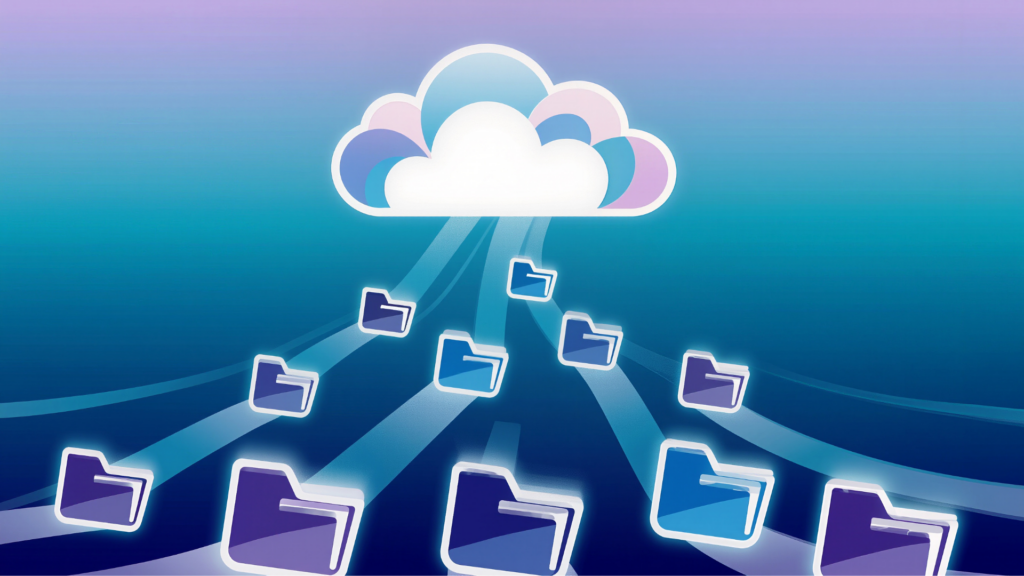
A transformation strategy was executed to migrate the legacy Electronic Document Management System (EDMS) to Google Cloud Platform (GCP). The system was rearchitected, leveraging microservices, GKE (Google Kubernetes Engine), and a modern application stack for scalability, reliability, and future adaptability.
Musoft’s Cloud App Assessment and Strategy
Discovery & Assessment
Detailed mapping of current system, dependencies, performance bottlenecks, and stakeholder requirements.
Phased Migration Methodology
Ensured that business leaders, IT teams, and operational staff were aligned on goals and strategy.
Phased Migration Methodology
A multi-step migration path to minimize risk and maintain service continuity.
Musoft’s Cloud Application Modernization Services
Containerization & Cloud Migration
Converted legacy monolithic components to containerized microservices.
Microservices Transformation
Decoupled major functions, enabling independent scaling, easier updates, and better fault tolerance
Microservices Transformation
Adopted JDK 17, Spring Boot 3, and React to enhance performance and user experience.
Secure Multicloud Feature Integration
Used Apigee Gateway plus SAML authentication to ensure secure connections and identity management.
Optimized Data & Storage
Migrated databases and files to Google Cloud Storage and other GCP services for better reliability and manageability.
Cost & Resource Efficiency
Employed FinOps principles to control cloud spend and resource utilization.
Testing & Quality Assurance
Rigorous testing to ensure stability, performance, and readiness for production.
Benefits
35% Application Performance Improvement
Users experience much faster response times; system workflows execute more smoothly.
50% Improvement in Business Operations
Streamlined document management and automation reduced delays, enabling faster decision-making across functions.
45% Reduction in Cloud Resource Usage Costs
Cloud native infrastructure, microservices, and resource optimization freed up budget for innovation.
40 TB of Data Storage Savings
Migrating older storage systems to GCP not only reduced costs but improved data archival and retrieval processes.
Robust Security & Compliance
Strengthened identity controls, aligned with cloud-first strategy and industry best practices.
Summary
With a modernized, microservices-based EDMS on Google Cloud, the client transformed document management from being a bottleneck to a stable, scalable enabler of operations. Performance improvements, cost savings, and higher resilience have positioned them well for future innovation. Legacy constraints have been replaced by flexibility, agility, and readiness to scale.
Looking Forward
Is your organization restrained by legacy applications? Consider the following:
- Evaluate your critical systems that are high maintenance, low agility.
- Pilot migrations with incremental steps to validate strategy.
- Embrace cloud-native architectures, modern stacks, and automation.
- Maintain rigorous governance, especially around cost, security, and compliance.
Modernization isn’t just technical—it’s strategic. Every improvement in performance, every dollar saved, every delay removed builds toward a more resilient, responsive organization.